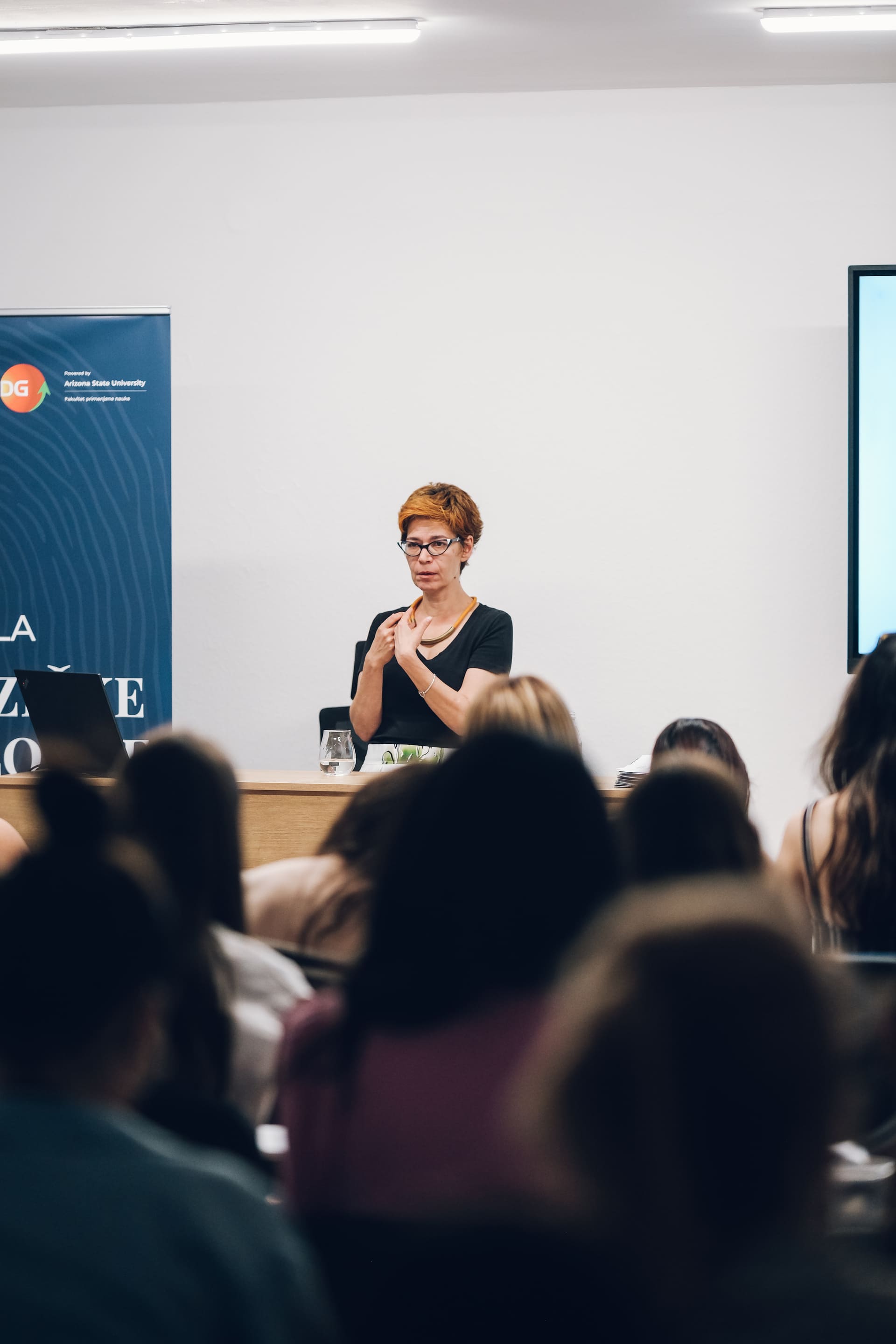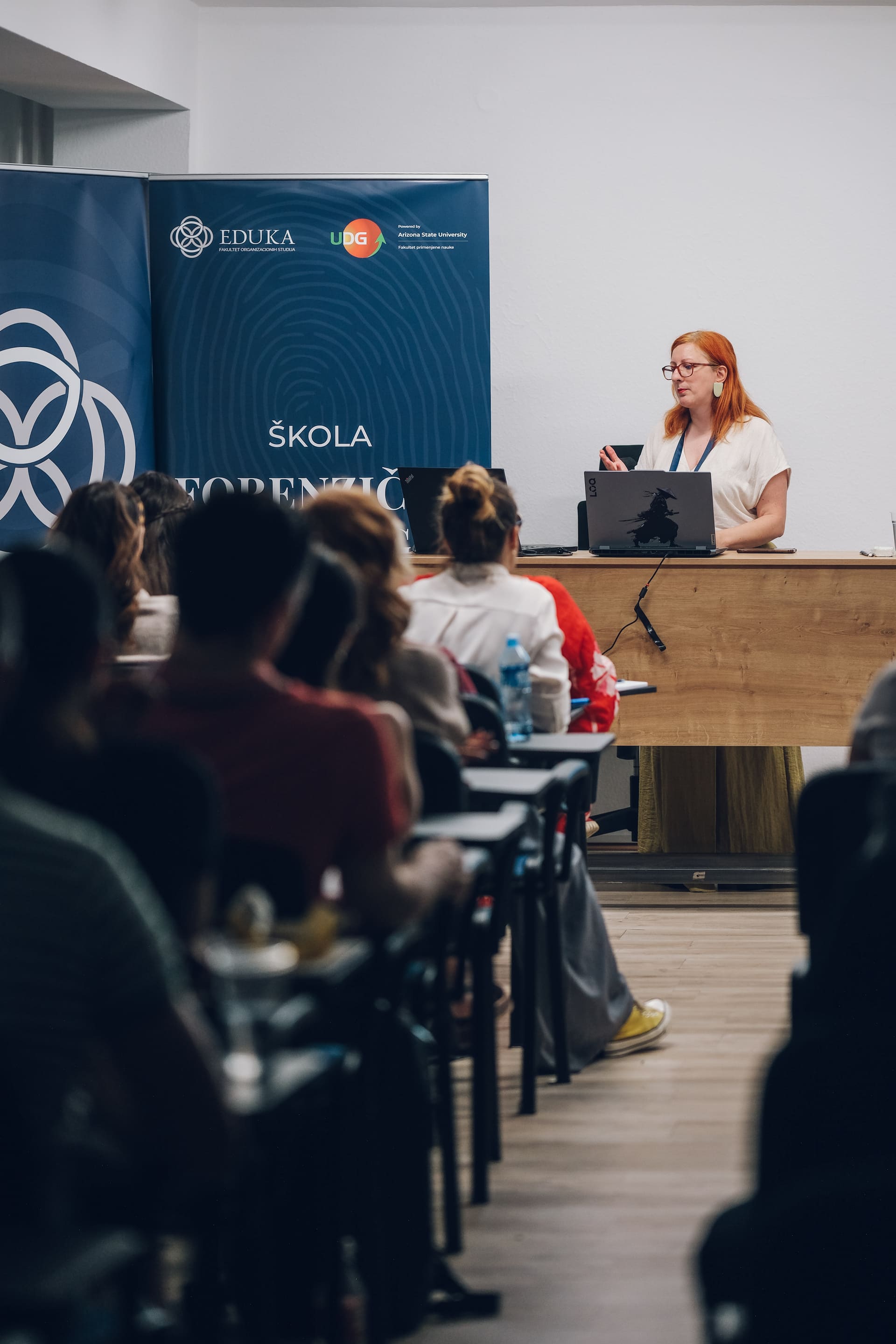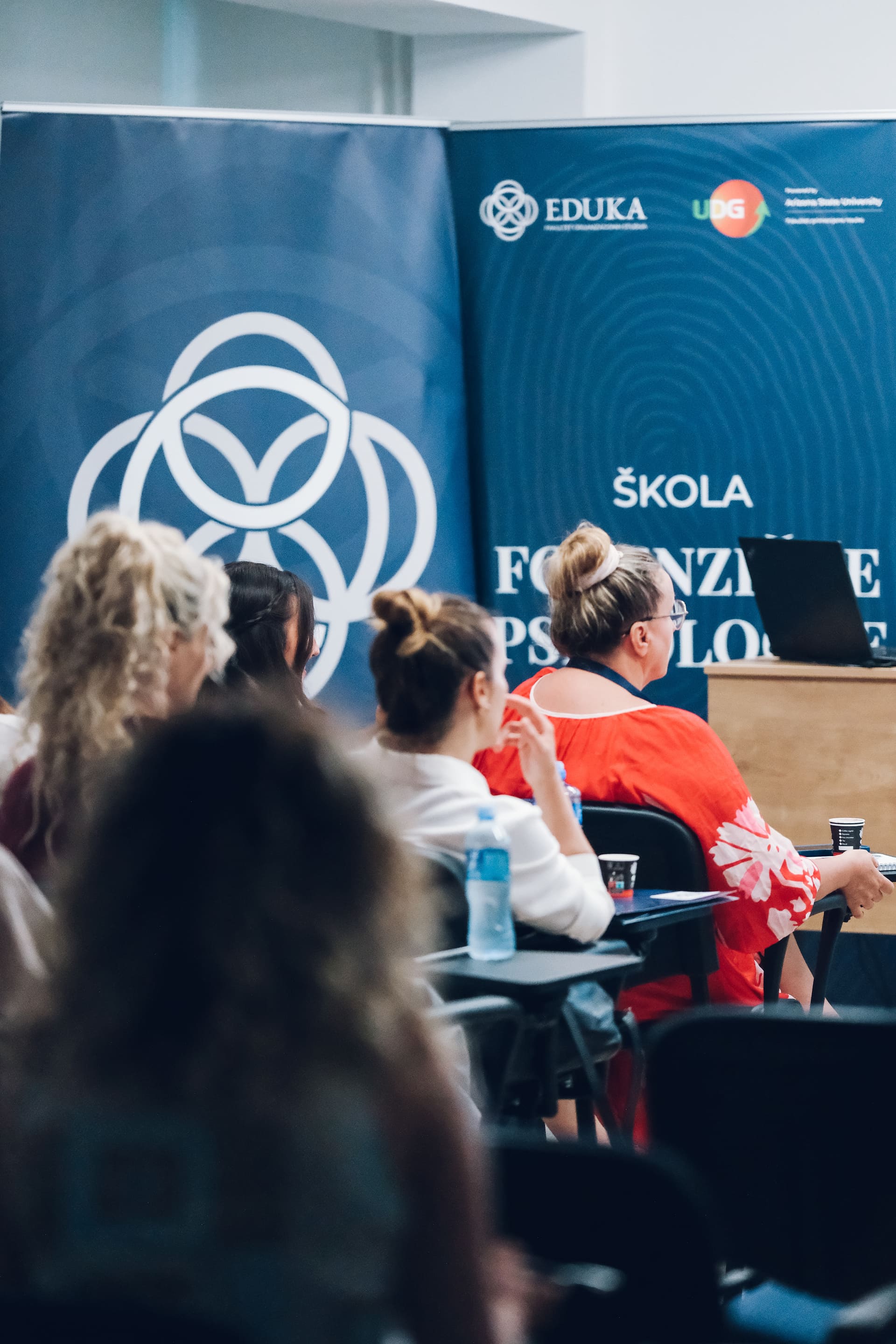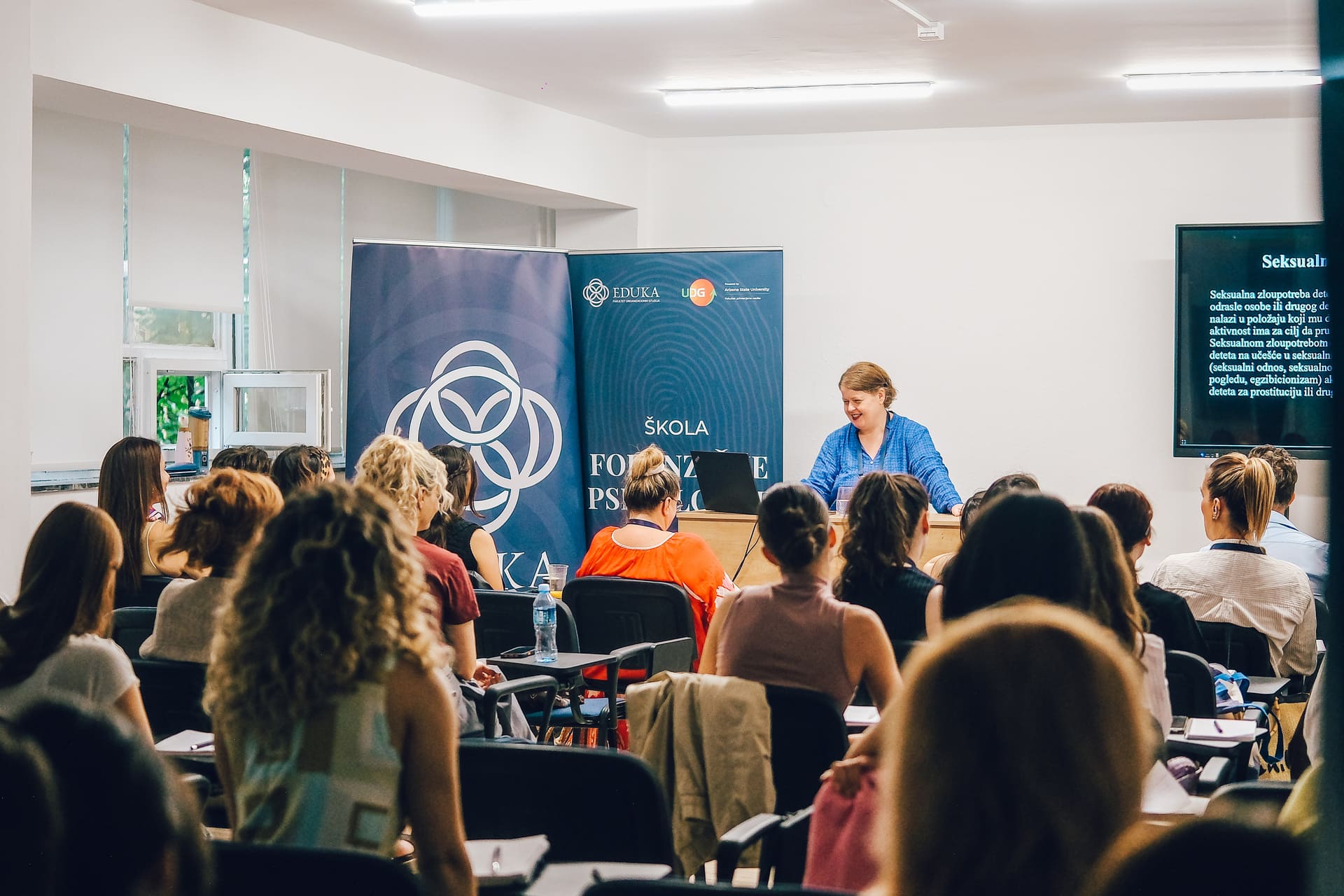

At the Faculty of Organizational Studies „Eduka”, the Summer School of Forensic Psychology was successfully conducted, representing one of the most significant professional development programs of this year in the fields of applied psychology, forensics, law, criminology, and penology.
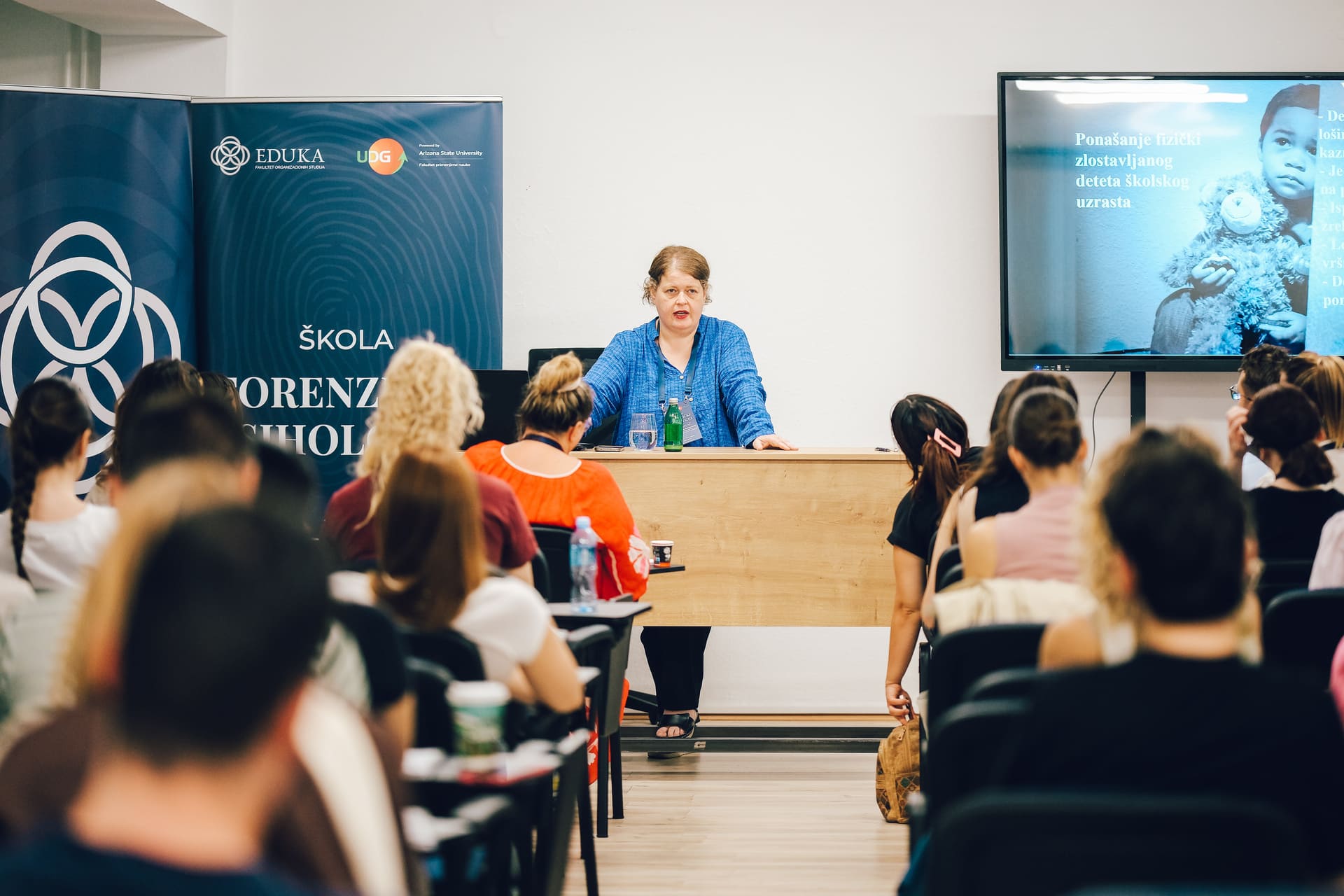
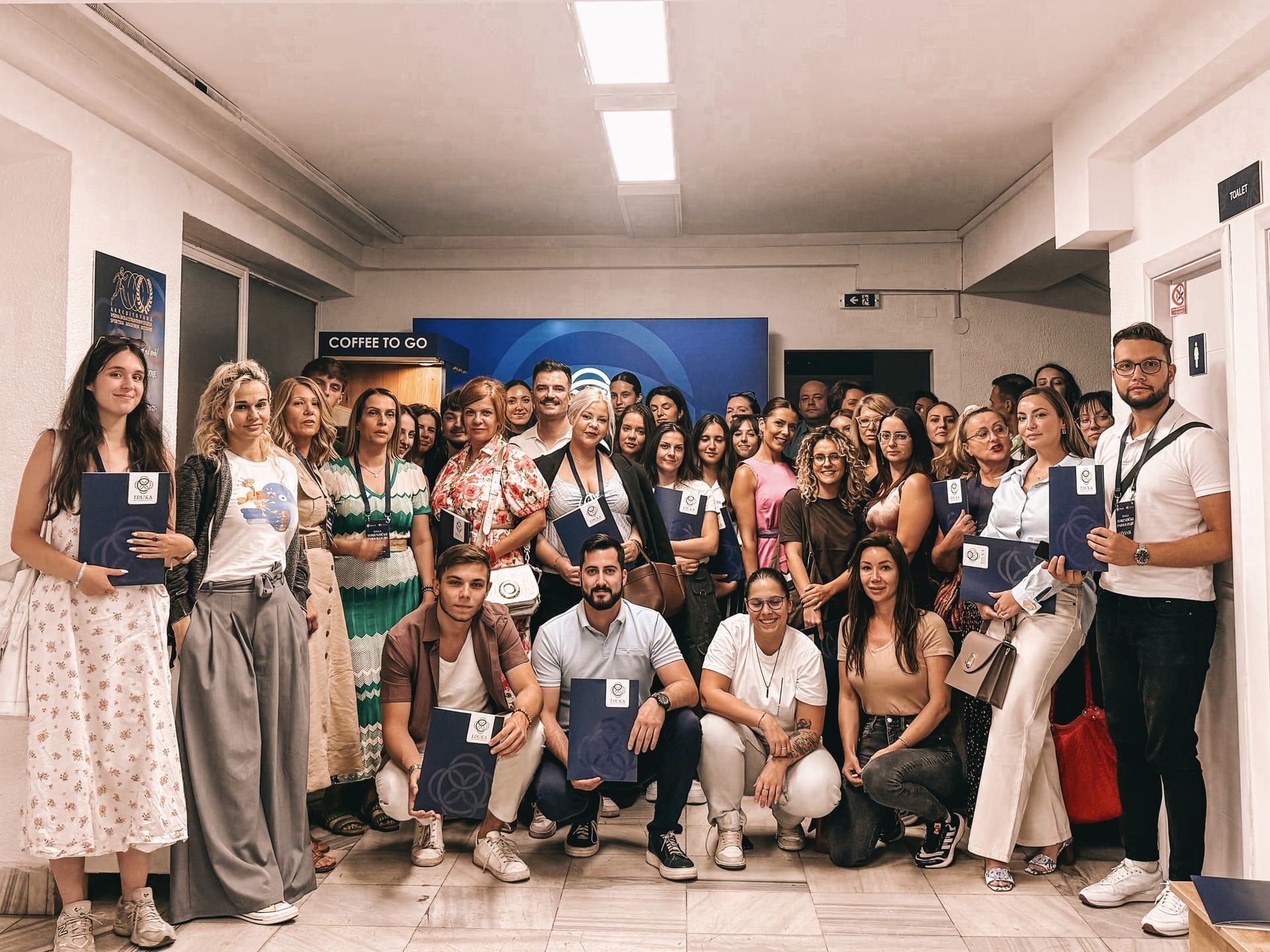
The program was held in Belgrade, organized by Faculty of Organizational Studies „Eduka” and the Faculty of Applied Sciences University of Donja Gorica, and brought together over 50 participants from 9 faculties, as well as 12 lecturers from various fields relevant to forensic psychology. During five intensive teaching days, participants had the opportunity to acquire contemporary knowledge and skills through lectures, workshops, case studies, discussions, and practical tasks necessary for understanding the psychological aspects of criminal behavior, forensic evaluation, assessment of statement credibility, and work within judicial, security, and penological systems.
The Summer School demonstrated a highly strong interdisciplinary character, as it connected psychology, law, criminology, security, forensic medicine, neuropsychology, criminology, and penology. This breadth of approach enabled participants to perceive forensic psychology not only as a theoretical field, but as a dynamic and responsible profession with direct application in court proceedings, criminal investigations, risk assessment, work with convicted individuals, and the protection of vulnerable groups.
Throughout the program, numerous current and professionally important topics were covered: basic principles of forensic psychology, criminal profiling, personality disorders in a forensic context, neuropsychological evaluations, cognitive biases in forensic decision-making, assessment of children's statement credibility, forensic genetics, medico-legal aspects of violence, affective states in criminal proceedings, juvenile detention as a specific forensic-psychological environment, treatment of convicted individuals, reintegration into society, and the role of psychology in judicial proceedings.
The special value of the Summer School was reflected in the opportunity for participants to learn from experts coming from academic, clinical, judicial, criminological, and institutional contexts. Through practical examples, scientific findings, and interactive tasks, lecturers demonstrated how psychological knowledge is applied in real forensic situations — from analyzing offender behavior, through assessing credibility and detecting deception, to understanding prison dynamics, victimization, and resocialization.
Through practical work, participants analyzed realistic case studies, discussed forensic dilemmas, learned about testing and diagnostic procedures, recognized cognitive errors in decision-making, and considered ethical challenges faced by professionals in the judicial system. In this way, the Summer School was not just a lecture-based program, but an intensive experience of professional development, critical thinking, and connecting theory with practice.
The strong interest of students and professionals from various institutions demonstrated that forensic psychology is gaining an increasingly important place in modern education and professional practice. The fact that the program brought together participants from 9 faculties confirms the need for such forms of interdisciplinary education, especially in fields that require cooperation between psychologists, lawyers, criminologists, security experts, medical professionals, and other specialists.
The Faculty of Organizational Studies „Eduka” has further confirmed its commitment to developing modern, practice-oriented, and socially relevant educational programs through this initiative. The Summer School of Forensic Psychology represents an important step forward in connecting academic knowledge, professional practice, and international cooperation, while also making a significant contribution to the development of forensic psychology as a field of great importance for the judiciary, security, and society as a whole.
The successful implementation of this program has shown that the Faculty „Eduka” continues to develop educational formats that offer students and professionals more than traditional teaching — direct interaction with experts, real-life cases, professional dilemmas, and knowledge with clear practical application.